Assemblage art takes the familiar and transforms it into the unexpected. By bringing together found objects, disparate materials, and artistic techniques, artists create works that challenge our perceptions and tell stories in a uniquely tactile and tangible way. Think of it as three-dimensional collage, where the canvas explodes into a physical space, inviting us to explore its textures and hidden meanings.
Exactly what is assemblage, and how can we capture its essence in AI-generated art? Let’s delve into the world of assemblage, examining its techniques and the artists who have mastered them, and then explore how to translate that inspiration into compelling AI text prompts.
Masters of Assemblage: Techniques and Inspiration
While the term “assemblage” emerged in the 1950s, the spirit of combining found objects to create art has a long history. Let’s look at some key figures and movements:
- Early Pioneers: Though not strictly assemblage artists, painters like Hieronymus Bosch and Pieter Bruegel the Elder prefigure the movement with their intricate compositions packed with details and narratives. Think of Bosch’s fantastical creatures assembled from everyday objects and animal parts, or Bruegel’s bustling scenes where individual figures tell a larger story. These artists provide inspiration for creating complex, layered compositions in AI art.
- Sculptural Foundations: Gian Lorenzo Bernini, a master of Baroque sculpture, provides a different kind of inspiration. While he worked primarily with marble, his dynamic compositions and dramatic use of light and shadow offer valuable lessons for assemblage artists and AI prompts alike. Consider how Bernini’s sense of movement and emotion can be translated into the arrangement of objects in a three-dimensional space.
- Modern Masters: Kris Kuksi is a contemporary artist who epitomizes assemblage. He combines found objects, antique toys, and intricate sculpting to create elaborate, often unsettling narratives. His work demonstrates the power of juxtaposition and the potential for found objects to take on new meanings. Salvador Dalí‘s surrealist explorations, often incorporating found objects and unexpected materials, also offer fertile ground for AI inspiration.
- Beyond the Traditional: H.R. Giger‘s biomechanical aesthetic, where flesh and machine merge, pushes the boundaries of assemblage into the realm of the unsettling and the uncanny. The Vienna School of Fantastic Realism, with its blend of meticulous technique and dreamlike imagery, offers another rich vein for exploration. Even architectural styles like Rococo and Baroque, with their ornate details and layered compositions, can inform the creation of complex and visually rich AI-generated assemblage art.
Crafting AI Prompts for Assemblage Art
Ready to bring your own assemblage visions to life with AI? Here are some key elements to consider when crafting your prompts:
- Materials: Be specific! “Rusty gears,” “antique dolls,” “vintage photographs,” “fragments of mirrors” – the more detail you provide, the more unique your results.
- Composition: Think about how the objects are arranged. “A chaotic pile,” “a carefully balanced structure,” “a swirling vortex” – these descriptions will guide the AI’s interpretation.
- Theme and Mood: What story are you trying to tell? “A forgotten memory,” “a dystopian future,” “a whimsical dream” – these cues will influence the overall feel of the piece.
- Lighting and Texture: “Harsh shadows,” “soft glow,” “rough surfaces,” “smooth patina” – these details add depth and realism.
- Style: “Surrealist,” “biomechanical,” “Baroque,” “Kuksi-esque” – referencing specific artists or styles can help guide the AI’s aesthetic choices.
Example Prompts:
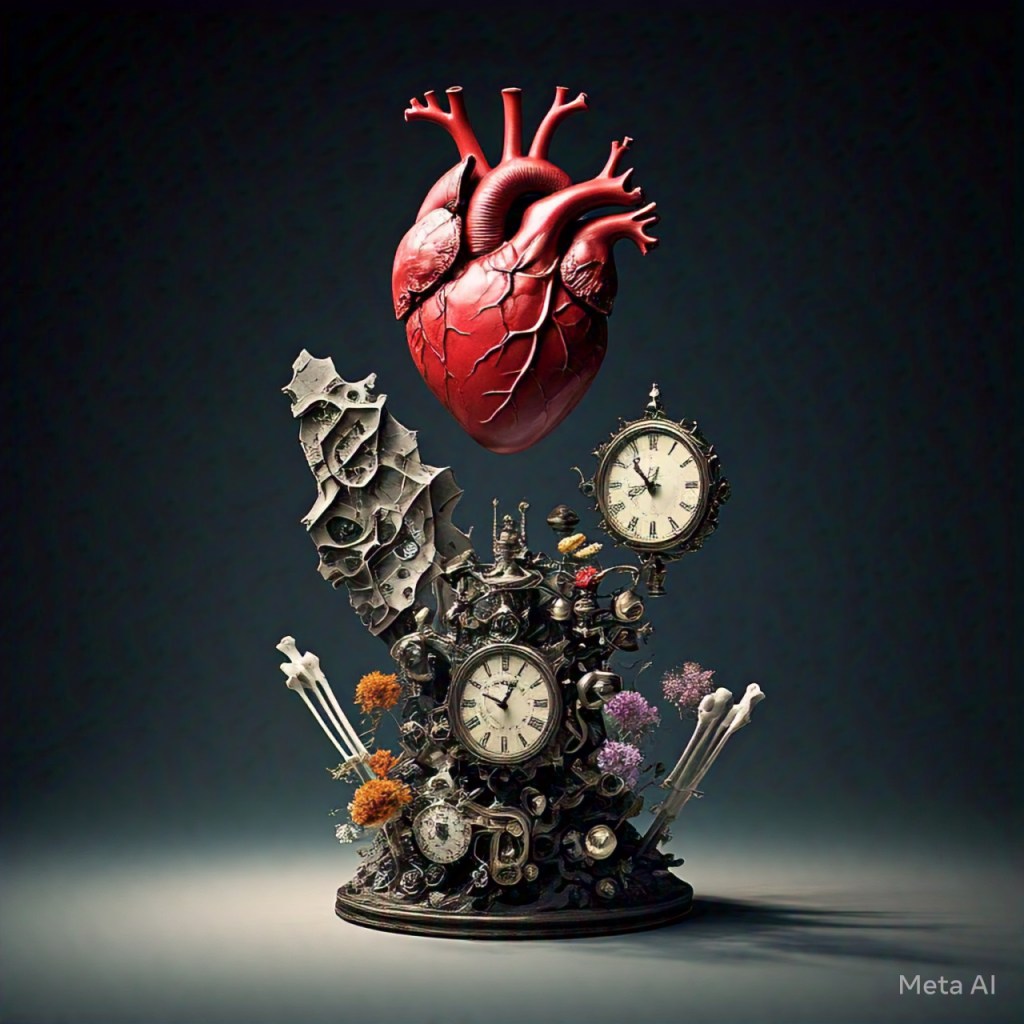
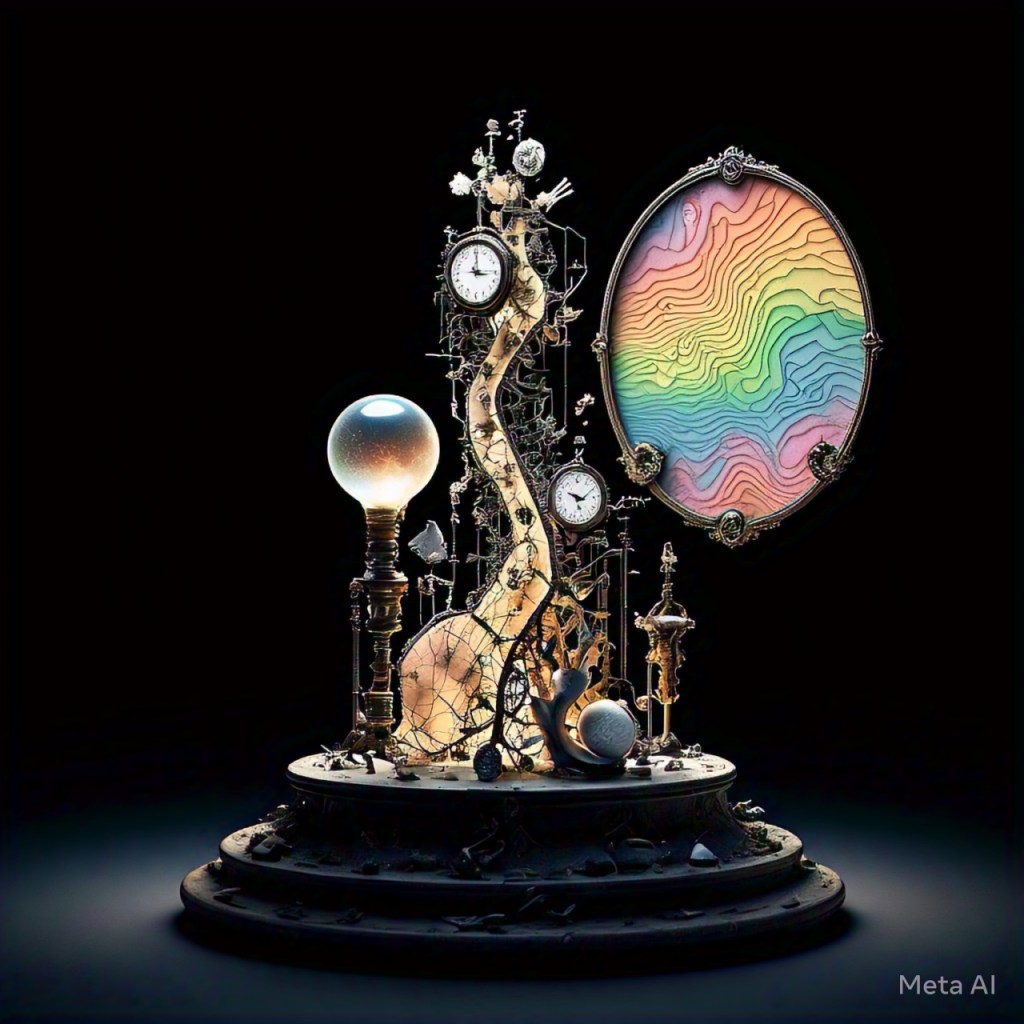
- “A surrealist assemblage sculpture made of antique clock parts, bird bones, and dried flowers, arranged in a precariously balanced tower, lit by a single spotlight casting long shadows.”
- “A biomechanical assemblage in the style of H.R. Giger, featuring rusted metal, wires, and human bones, forming a creature emerging from a dark, industrial landscape.”
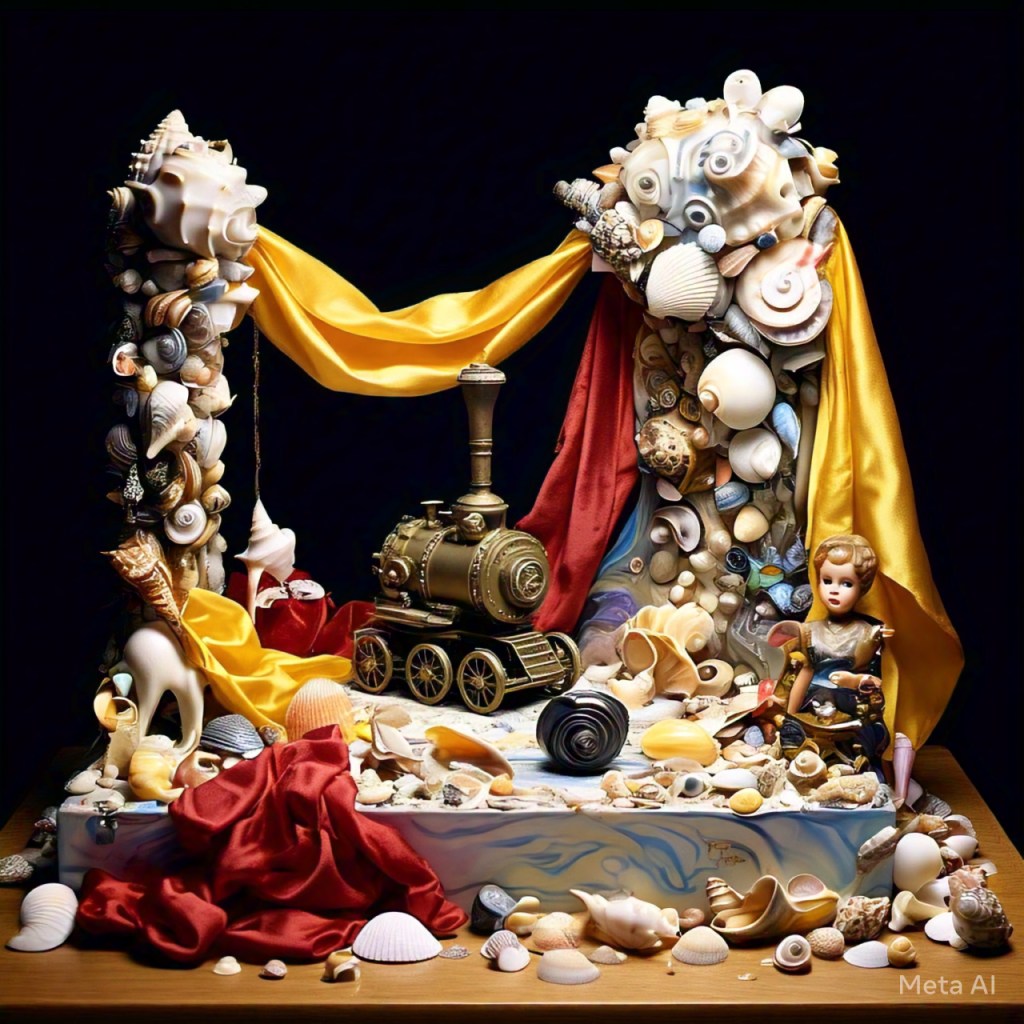
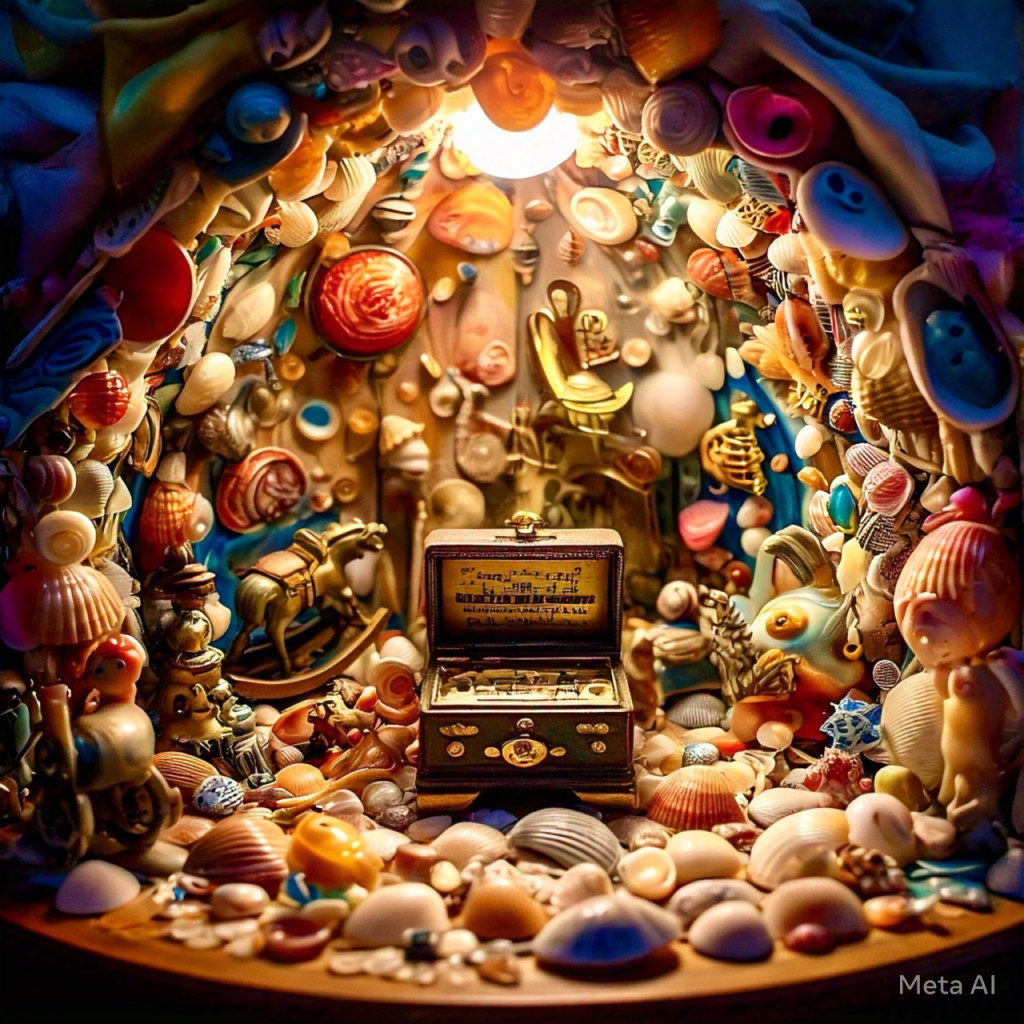
- “A whimsical assemblage inspired by the Vienna School of Fantastic Realism, using vintage toys, seashells, and colorful fabrics, creating a dreamlike scene bathed in soft, golden light.”




Beyond the Basics:
- Experiment with different AI models: Each model has its own strengths and weaknesses. Explore various options to find the one that best captures your vision.
- Iterate and refine: Don’t be afraid to tweak your prompts and regenerate images until you achieve the desired result.
- Embrace the unexpected: AI can often surprise you with its interpretations. Be open to new ideas and let the AI’s creativity spark your own.
By understanding the techniques and inspirations behind assemblage art and learning how to craft effective AI prompts, you can unlock a world of creative possibilities. So, go forth and assemble!
Ready to delve deeper into the world of assemblage art and its digital possibilities? Whether you’re eager to experiment with AI art generation yourself or are looking to experience the magic of assemblage firsthand, I invite you to connect with me, MoniGarr.
Book a one-on-one consultation online to receive personalized guidance on crafting AI prompts, exploring assemblage techniques, and bringing your artistic visions to life. If you find yourself in Massena, New York, make a reservation to visit MoniGarr’s exclusive augmented reality Art Gallery on Main Street. Immerse yourself in a curated collection of augmented reality and real world art, where the physical and digital intertwine to create a truly unique experience. Let’s explore the boundless possibilities of art together!



 AIGeneration.blog